
Summary
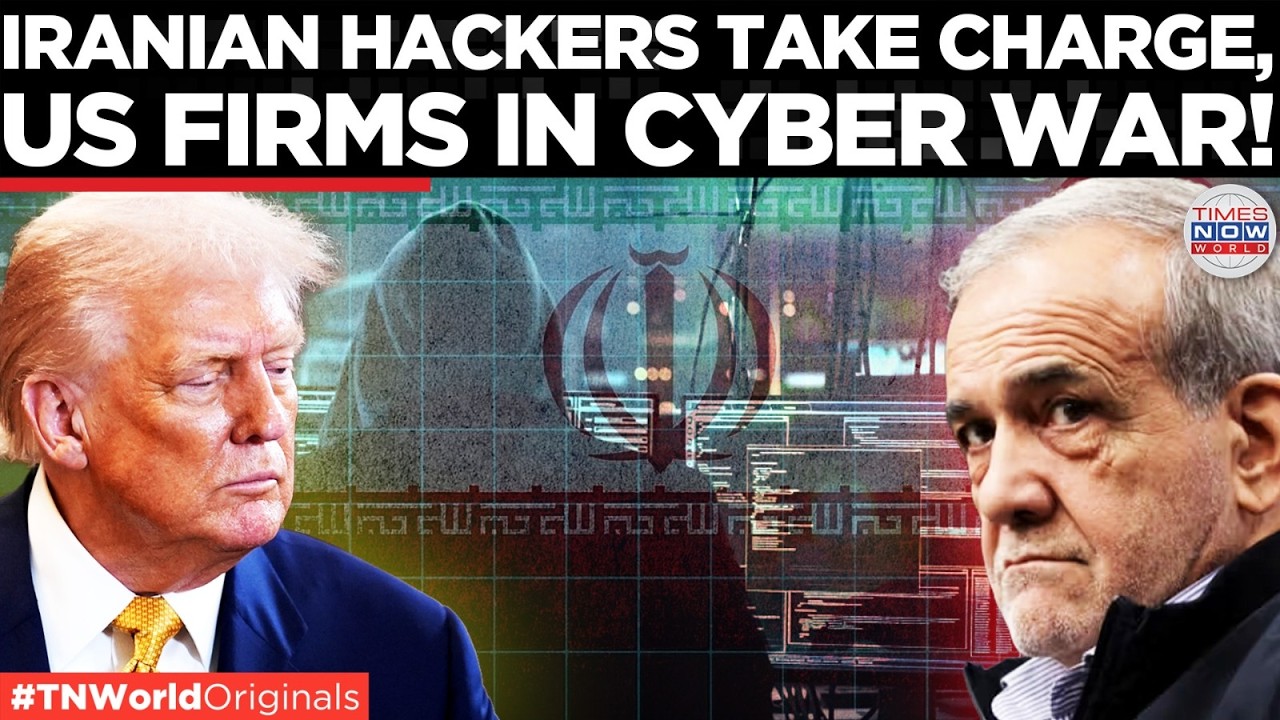
**Iran** has issued a stark warning to **Nvidia**, **Microsoft**, **Apple**, **Google**, and 14 other US tech companies, declaring them legitimate targets in retaliation for perceived acts of terrorism against Iran. This declaration, made on March 31, 2026, signals a potential escalation in tensions between Tehran and Silicon Valley, as Iran's leadership emphasizes that these companies are now on their radar due to their roles in supporting operations against the Iranian state. The implications of such threats could reshape the landscape of international tech operations and cybersecurity. The Iranian government’s statement underscores a broader narrative of escalating geopolitical tensions, where technology companies are increasingly caught in the crossfire of international conflicts. As the digital age intertwines with global politics, the actions of these firms could have far-reaching consequences, not just for their operations but for the safety of their employees and infrastructure. This situation raises critical questions about the intersection of technology, security, and international relations, particularly in the context of Iran's ongoing conflicts with Western nations and their allies.
Key Takeaways
- Iran has explicitly named US tech companies as targets for retaliation.
- The threat raises concerns about the safety of tech operations in volatile regions.
- There is uncertainty about Iran's capability to execute such threats.
- Responses from the named companies are currently unreported.
- The situation highlights the growing intersection of technology and international relations.
Balanced Perspective
The facts indicate that Iran's threat is a significant escalation in its rhetoric against Western tech companies. While the Iranian government has historically targeted various entities, this direct mention of specific companies marks a new level of specificity in its threats. The companies named have not publicly responded to this threat yet, and the actual feasibility of Iran executing such attacks remains uncertain. The situation is evolving, with potential implications for international business operations in Iran and beyond.
Optimistic View
From a hopeful standpoint, this could catalyze a more robust cybersecurity framework among tech companies. **Nvidia**, **Microsoft**, and others may invest heavily in security measures, fostering innovation in defensive technologies. This situation could also prompt international dialogue on tech companies' roles in geopolitical conflicts, potentially leading to more stable relations. Moreover, increased awareness of cybersecurity threats may lead to stronger alliances between tech firms and government agencies, enhancing overall security.
Critical View
The bearish view highlights the risks of escalating tensions leading to actual cyberattacks or physical destruction of facilities. If Iran follows through on its threats, it could lead to severe repercussions for the tech industry, including loss of life, financial losses, and a chilling effect on international business. Moreover, this situation could exacerbate existing geopolitical tensions, potentially drawing in other nations and complicating diplomatic relations. The threat could also lead to retaliatory measures from the US, further destabilizing the region.
Source
Originally reported by Tom's Hardware