
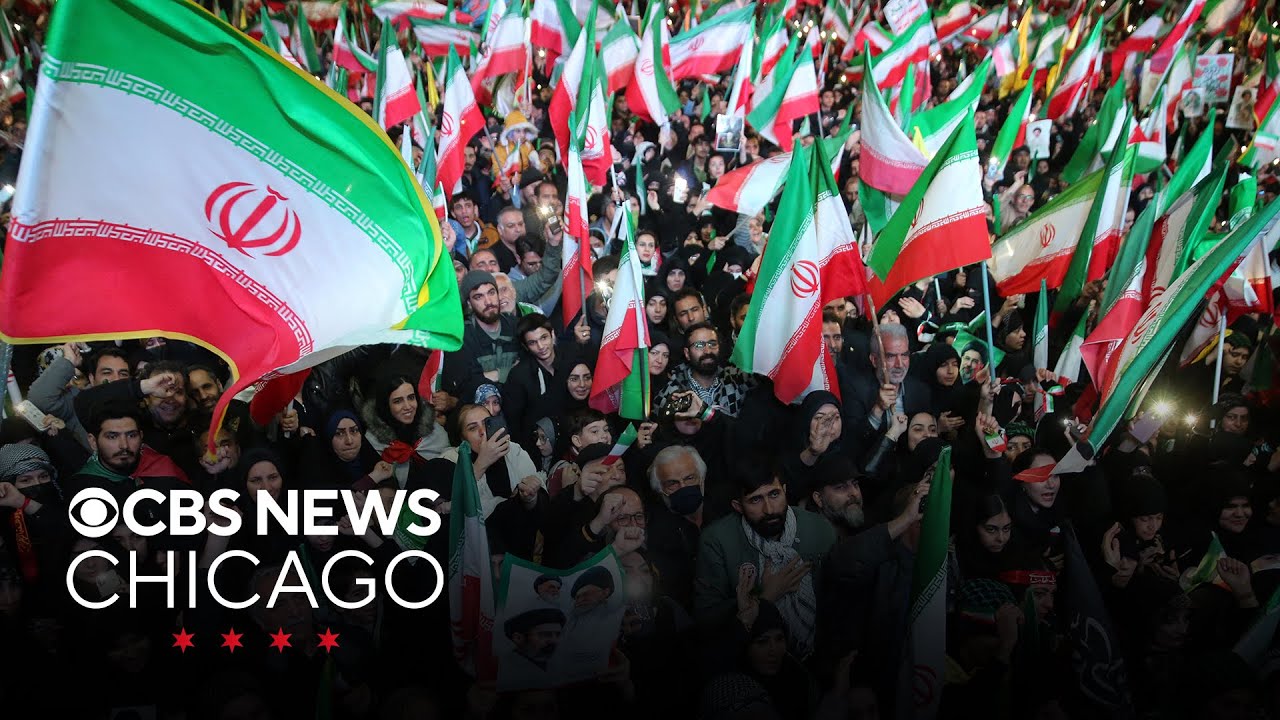
Summary
**Iran's Islamic Revolutionary Guard Corps (IRGC)** announced plans to target prominent U.S. technology firms, including **Apple**, **Microsoft**, **Google**, **HP**, **Meta**, and **Tesla**, across the Middle East. This declaration marks a significant escalation in Iran's ongoing conflict with the U.S. and its allies, reflecting broader geopolitical tensions in the region. The IRGC's move suggests a shift in tactics, potentially leveraging cyber capabilities to disrupt operations and influence public perception of these companies. The implications of this strategy are profound, as it raises concerns about cybersecurity, the safety of tech operations in the region, and the potential for retaliatory measures from the U.S. government. With the IRGC's history of cyber operations, this announcement could signal a new phase in Iran's approach to countering U.S. influence in the Middle East, particularly in the tech sector. [[iran|Iran]], [[cybersecurity|cybersecurity]], [[US-tech|U.S. Tech Companies]]
Key Takeaways
- Iran's IRGC plans to target major U.S. tech companies in the Middle East.
- Named companies include Apple, Microsoft, Google, HP, Meta, and Tesla.
- This announcement signifies a potential escalation in cyber warfare tactics.
- The situation raises concerns about cybersecurity and regional stability.
- U.S. tech companies may need to enhance their security measures in response.
Balanced Perspective
The IRGC's announcement reflects ongoing geopolitical tensions between Iran and the U.S., particularly in the realm of technology and cybersecurity. While the IRGC's intentions remain speculative, the focus on U.S. tech companies indicates a strategic shift in Iran's approach to countering perceived threats. The situation remains fluid, with potential implications for regional stability and international relations. [[middle-east|Middle East]], [[us-iran-relations|U.S.-Iran Relations]]
Optimistic View
This could be seen as an opportunity for **U.S. tech companies** to bolster their cybersecurity measures and engage with regional governments to enhance digital security. By proactively addressing these threats, companies like **Microsoft** and **Google** could strengthen their market positions and foster partnerships with local tech firms. Moreover, increased attention on cybersecurity may lead to innovations that benefit users globally, enhancing trust in digital infrastructures. [[cybersecurity|Cybersecurity]], [[iran|Iran]]
Critical View
This development raises serious concerns about the safety and security of U.S. tech operations in the Middle East. The IRGC's history of cyberattacks could lead to significant disruptions, impacting not only the companies targeted but also the broader tech ecosystem in the region. Furthermore, this escalation could provoke a strong response from the U.S., potentially leading to increased military or cyber retaliation, heightening tensions further. [[cybersecurity|Cybersecurity]], [[us-iran-relations|U.S.-Iran Relations]]
Source
Originally reported by The Hill