
Summary
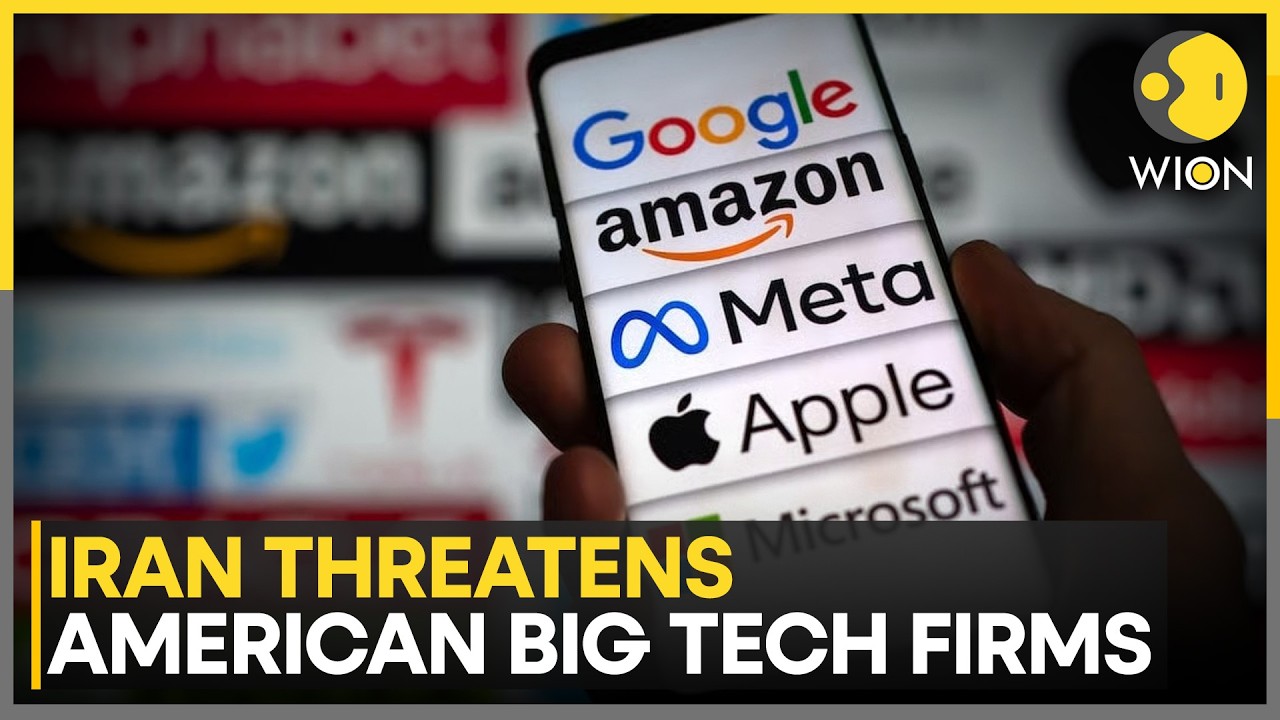
**Iran's Islamic Revolutionary Guard Corps (IRGC)** has issued a stark warning, announcing plans to attack major US tech firms, including **Apple**, **Google**, and **Microsoft**, starting April 1. This threat comes in retaliation for the killing of Iranian citizens amid ongoing conflicts with the US and Israel. The IRGC's Telegram post indicates a shift in tactics, targeting civilian tech infrastructure as part of a broader strategy against perceived American aggression. The implications for both the tech industry and international relations are profound, raising questions about cybersecurity and the role of private companies in military operations. **Billions of dollars** in US technology investments are at stake in the Gulf region, where American firms have heavily invested in AI development. The situation is fluid, with the US military responding to Iranian drone strikes on American-owned facilities in the Middle East. This escalation marks a significant moment in the intersection of technology and warfare, as the lines between civilian and military targets blur. [[iran|Iran]], [[us-military|US Military]], [[cybersecurity|Cybersecurity]].
Key Takeaways
- Iran's IRGC has issued threats against major US tech firms, marking a significant escalation in the conflict.
- The targeted companies include industry giants like Apple, Google, and Microsoft, raising concerns about cybersecurity.
- The situation reflects the blurred lines between civilian and military targets in modern warfare.
- US military responses have been complicated by ongoing diplomatic considerations.
- The potential for widespread economic and humanitarian impacts is significant if threats are realized.
Balanced Perspective
The IRGC's threats highlight a significant escalation in the ongoing conflict between Iran and the US, particularly following the assassination of Supreme Leader **Ali Khamenei**. The targeting of civilian tech firms raises complex questions about the nature of warfare in the digital age, where infrastructure can be seen as legitimate targets. While the IRGC's claims of US tech firms supporting military operations are contested, the reality is that many of these companies have deep ties to defense contracts. The situation remains dynamic, with military responses from the US complicating the landscape further. [[us-iran-relations|US-Iran Relations]], [[military-contracts|Military Contracts]].
Optimistic View
Some analysts argue that this situation could lead to a renewed dialogue between the US and Iran, potentially opening pathways for diplomatic resolutions. The tech industry, while under threat, has historically shown resilience and adaptability, which may allow it to navigate these challenges effectively. Moreover, increased awareness of cybersecurity risks could spur innovation and investment in defense technologies, ultimately strengthening national security. The potential for collaboration between tech firms and governments in cybersecurity initiatives could also emerge from these tensions. [[diplomacy|Diplomacy]], [[cybersecurity-innovation|Cybersecurity Innovation]].
Critical View
Critics warn that Iran's threats could lead to significant cyberattacks that disrupt not only the targeted tech firms but also broader economic stability in the region. The IRGC's designation of these companies as 'legitimate targets' could embolden further aggression, potentially resulting in retaliatory strikes that escalate into a larger conflict. The ongoing war has already claimed thousands of lives, and the involvement of civilian infrastructure in military operations raises ethical concerns about the consequences of such actions. The potential for collateral damage in both human and economic terms is alarming, as the conflict threatens to spill over into a wider regional war. [[cyber-warfare|Cyber Warfare]], [[regional-conflict|Regional Conflict]].
Source
Originally reported by WIRED